

The third game of the Beijing vs Guangdong playoff series, scheduled for the evening of May 12, is a must-win elimination match. The defeat in Game 2 was not a result of a talent gap but rather a heartbreaking loss by a single basket—a moment that exposed both slow adjustments and rigid tactical thinking.
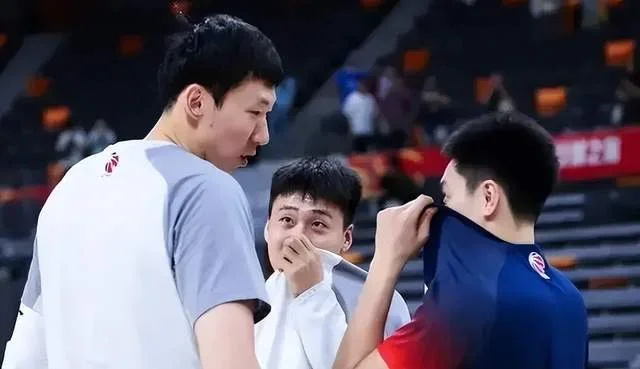
Xu Limin’s persistent trust in Jemaine in key moments has become a critical weakness. With Speelman and Williams firing on all cylinders and in peak form during overtime, Jemaine repeatedly missed crucial opportunities—struggling with shooting accuracy and defensive positioning throughout the game. Yet the coaching staff stuck to their usual rotation logic, betting the outcome on a player in poor form. This blind reliance on experience is eroding the team’s ceiling.
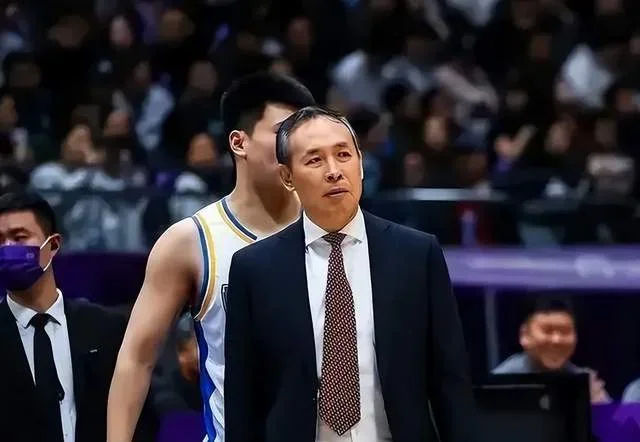
Zhao Rui’s lackluster performance is also concerning. As the team’s backcourt leader and primary offensive weapon in clutch moments, he went 1-for-3 from the field in Game 2, scoring only 5 points. His offensive aggression nearly vanished. He spent more time facilitating but failed to step up when the team needed scoring most. In a playoff setting, hesitation is fatal. When opponents collapse the defense and focus on key players, Zhao Rui must switch from “playmaker” to “finisher,” breaking through with strong drives and decisive mid-range shots. His silence effectively neutralizes the team’s sharpest weapon.
Zeng Fanbo remains Beijing’s only variable. In Game 1, he was on fire from beyond the arc, hitting four straight three-pointers in a single quarter to ignite the crowd. In Game 2, however, his shooting went cold, and he became a primary target of Guangdong’s defensive pressure. If he can regain his shooting rhythm in Game 3—even hitting three or four three-pointers—it would open up the floor for Zhou Qi and Fan Ziming to attack the paint. But Guangdong’s defense has already prepared to swarm him. Whether he can stay composed under pressure and get his shots off in traffic could determine the game’s outcome.
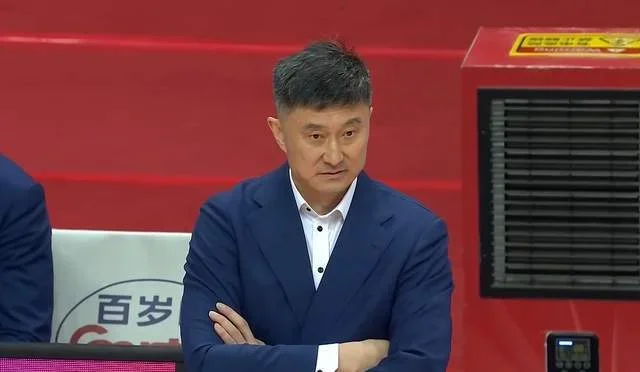
Beijing still holds an advantage in overall talent and roster depth. From starters to reserves, their ten-man rotation is well-established, with reliable options at every position, smooth transition play, and strong tactical execution. However, this only works if Xu Limin breaks free from the mindset of “sticking with experienced players over new options.” The playoffs are not a training ground or a trust experiment. When Jemaine fails, Zhao Rui goes silent, and Zeng Fanbo is locked down, who should step up? Is it Zhou Qi’s interior passing? Zhai Xiaochuan’s defensive pressure? Or the impact of younger players? The answer is not on the roster sheet but in the coach’s real-time decisions.
If Beijing loses Game 3, their season ends prematurely. The deeper crisis is the coaching staff’s tactical inertia. A team with championship pedigree should not be dragged down by stubbornness. Xu Limin must understand: true control is not about insisting on playing someone, but knowing when to make a change.
For Guangdong, head coach Du Feng also cannot afford to lose. Having publicly declared their championship ambitions, the team must fight even harder now.
