

Sheffield Wednesday’s supporters had long resigned themselves to their fate—not only relegation from the Championship but also starting the next League One season with a 15-point deduction.
That penalty seemed inevitable because Arise Capital Partners, the group that completed a takeover of the beleaguered South Yorkshire club on Saturday, was not going to meet obligations to pay unsecured creditors. The EFL’s insolvency policy required those debts to be settled at 25p in the pound, but Arise’s offer fell well below that level. So, on top of the 18 points deducted this season for entering administration and other financial breaches, the Owls looked likely to begin next season adrift at the bottom of the third tier.
Even so, a sell-out crowd—dressed in a Honolulu party theme—flooded Hillsborough for Saturday’s 2-1 win over West Brom. The fans were there to welcome the new ownership, a consortium led by David Storch, his son Michael, and Tom Costin. Supporters were told to arrive early—and they were not disappointed. After the group was introduced, the big screen displayed “-15” points, then ticked down to -14. As the countdown continued, the Wednesday fans cheered louder and louder. Then it reached zero.
Out of nowhere, the Owls had two huge reasons to celebrate: new owners and no points deduction. But how did they pull it off?
Owls turn to sports legal expert De Marco
On 15 April, David Storch released a statement that left fans fearing the worst. The American businessman said the 15-point penalty was “set to be imposed” and that a request for arbitration had been “refused” by the EFL. The details of what happened next may never be fully revealed, but Storch did what so many clubs do when taking on the establishment—he turned to Nick De Marco.
De Marco is considered one of the leading sports lawyers, who in 2020 helped the Owls reduce a points deduction related to financial fair play from 12 points to six. A case as complicated as this—weighing the interests of the club, the EFL, and former owner Dejphon Chansiri—needed De Marco. Chansiri had made a claim for £64m in loans, meaning Arise would need to pay £16m to satisfy the 25p in the pound rule. Storch and his team were not comfortable paying Chansiri for failure, especially since so much money needed to be spent on the infrastructure of the stadium and training base. Was there a way around this that would satisfy the EFL?
Deferred debt offer put to Chansiri’s team
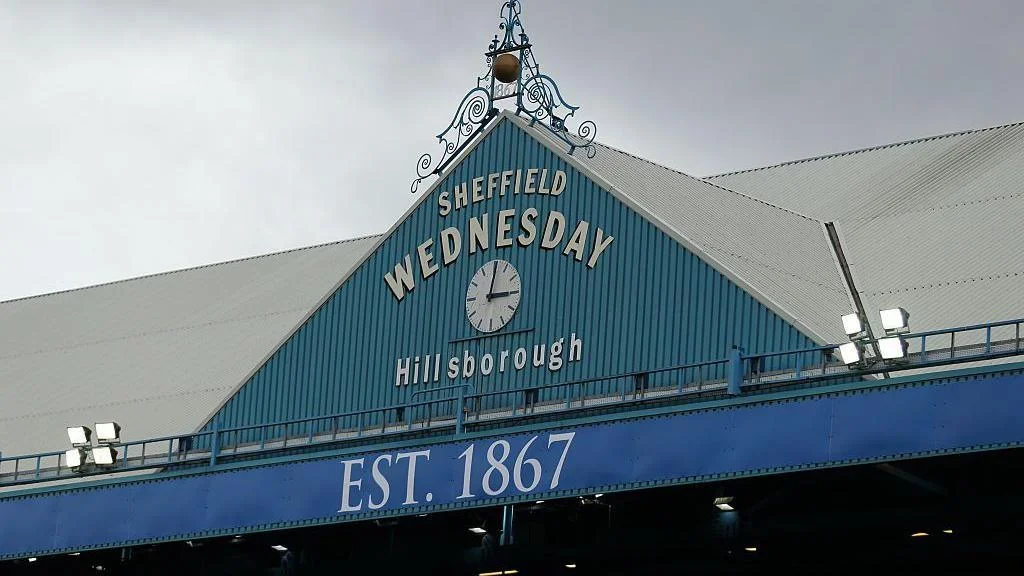
Image source: Getty Images
Image caption: Hillsborough requires huge investment to bring it up to modern standards
Reaching an agreement with Chansiri was never going to be easy. During the administration process, the Thai received a number of offers on his debt, which were either outright refused, ignored, or not taken in good faith. “The EFL had to take into account the intransigent soul shown by Mr Chansiri and his reluctance to engage with offers made by the bidder,” football finance expert Kieran Maguire told BBC Sport.
It was only last week that things fell into place. Chansiri was made an offer that would see him receive payments, in effect, to about 25p in the pound. But he would not receive a penny now—it would all be based on the club’s future success. “We’re probably talking about promotion first of all back to the Championship, and in due course to the Premier League. He could then get his 25%,” Maguire says. The EFL said the offer must remain on the table for a short period to show it was credible and serious. But there was one final act that might just sum up Chansiri’s tenure, according to the Sheffield Star.